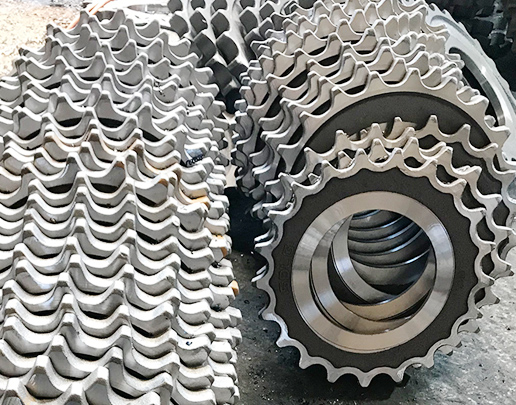
As an important means of water transportation and operating platform, the operational reliability of ships is directly related to navigation safety and economic benefits. During long-term operation, Dalian marine components are particularly prone to failure due to harsh working environments, large load changes, and limited maintenance conditions. Understanding these vulnerable components and their fault characteristics is of great significance for preventive maintenance and rapid troubleshooting of ships.
1、 Vulnerable components of the power system
1. Key components of diesel engine
Marine diesel engine is the heart of a ship, and its failure directly affects the operation of the ship. Common vulnerable components include:
Pistons and piston rings: Due to high temperature, high pressure, and friction, they are prone to wear, breakage, or jamming, resulting in a decrease in compression pressure and an increase in oil consumption.
Cylinder liner: Wear, tear, and corrosion on the inner wall are common problems, especially improper cooling water treatment can lead to severe pitting.
Injector: frequent problems such as nozzle blockage, needle valve jamming, and poor atomization directly affect combustion efficiency.
Turbocharger: The main failure modes are rotor bearing wear, blade carbon deposition or corrosion, and seal failure.
2. Lubrication system components
Oil pump: Gear wear leads to insufficient pressure, and bearing damage causes abnormal noise.
Filter: Blockage of the filter element leads to poor oil circulation, and failure of the bypass valve causes poor lubrication.
Cooler: Corrosion and perforation of the tube bundle cause oil-water mixing, seriously affecting the lubrication effect.
2、 Vulnerable components of the transmission system
1. Gearbox and clutch
Gears: Tooth surface pitting, peeling, and tooth breakage are common forms of damage, especially under high load and variable operating conditions.
Bearing: The problem of overheating and jamming caused by wear of the raceway, damage to the cage, and poor lubrication is prominent.
Clutch friction plates: Excessive wear, erosion, and slipping occur frequently, closely related to operating habits.
2. Shaft components
Intermediate and tail bearings: Abnormal wear caused by poor alignment or insufficient lubrication is common.
Couplings: Rubber component aging and metal fatigue cracks are common faults.
Propeller shaft seal: lip wear and spring failure cause seawater infiltration, leading to shaft corrosion.
4、 Vulnerable components of auxiliary systems
1. Cooling system
Seawater pump: impeller corrosion and mechanical seal leakage are the main problems, especially in waters with sediment.
Heat exchanger: Tube bundle blockage, corrosion perforation, and aging of sealing gasket lead to a decrease in heat transfer efficiency.
Temperature control valve: The valve core is stuck and the spring fails, causing temperature regulation to malfunction.
2. Fuel system
Oil pump: Insufficient oil supply pressure due to worn plunger components.
Filter: Accumulation of moisture and impurities causes clogging of the filter element, affecting fuel supply.
High pressure oil pipe: Loose joints and leakage, as well as vibration fatigue cracks in the pipe body, require special attention.
5、 Vulnerable components of electrical system
1. Power generation and distribution equipment
Generator bearings: Abnormal noise and overheating caused by poor lubrication are common.
Automatic voltage regulator: Voltage fluctuations caused by aging electronic components.
Circuit breaker contacts: Poor contact caused by oxidation and erosion.
2. Control system
Sensors such as temperature and pressure sensors are prone to signal drift or complete failure.
PLC module: Wet environment causes corrosion of circuit boards and damage to components.
Wiring terminals: Loose or oxidized leads to increased contact resistance.
6、 Vulnerable components of deck machinery
1. Servo system
Hydraulic cylinder seal: Aging leakage leads to reduced steering efficiency.
Feedback mechanism: Wear of potentiometer causes inaccurate rudder angle signal.
Hydraulic pump: The wear of the plunger causes slow pressure establishment.
2. Anchor and winch
Brake band: Excessive wear causes insufficient braking force.
Clutch: Pneumatic or hydraulic clutch seals are aging and leaking.
Steel wire rope: breakage, deformation, and corrosion require regular inspection and replacement.
7、 Analysis of common fault causes
Environmental factors: accelerated component aging caused by seawater corrosion, salt spray erosion, temperature changes, vibration impact, etc.
Operational factors: Human factors such as overload operation, frequent start stop, improper operation, etc.
Maintenance factors: untimely lubrication, untimely replacement of filters, inadequate inspection, and other maintenance deficiencies.
Design factors: Some components have inherent design defects or improper material selection.
8、 Prevention and maintenance recommendations
Establish key component files: record operating time and maintenance history, and implement life prediction management.
Strengthen status monitoring: use vibration analysis, oil detection and other methods to detect hidden dangers early.
Standardize operating procedures: avoid overloading and other improper operating behaviors.
Optimization of spare parts management: Maintain reasonable inventory of vulnerable parts and shorten downtime due to malfunctions.
Personnel training: Improve crew's awareness and maintenance skills of key components.
The fault prevention of marine components is a systematic engineering that requires starting from multiple aspects such as design selection, operation and use, maintenance and upkeep. By focusing on the vulnerable components mentioned above and implementing targeted maintenance strategies, the reliability and economy of ship operation can be significantly improved, providing solid guarantees for safe navigation. Ship management personnel should establish a scientific preventive maintenance system to eliminate faults in their early stages and minimize the risks caused by sudden failures.