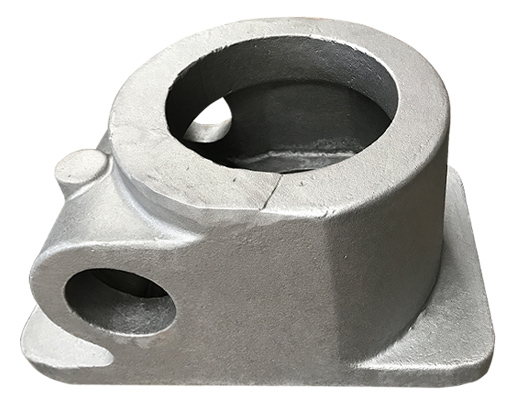
Selection Guide for Dalian Marine Parts for Different Sea Areas
Marine parts are core supports for ship navigation. Their adaptability directly determines navigation safety and service life. Sea environments vary greatly — ranging from the hot, high-salinity South China Sea in tropical zones, ice-prone Arctic in frigid zones, silt-laden coastal waters to rough open oceans. Parts shall be selected according to sea area characteristics to maximize performance.
Tropical Sea Areas (e.g. Southeast Asia, Caribbean Sea)
These regions feature year-round high temperature and humidity, with seawater salinity of 3.5%–3.8% and severe marine organism fouling. Parts require outstanding corrosion and ageing resistance.
316L austenitic stainless steel is preferred for structural components; its chloride corrosion resistance is 8–10 times that of ordinary carbon steel to slow salt spray erosion. The double-coating system of epoxy zinc-rich primer plus fluorocarbon topcoat isolates seawater from substrates. Fluororubber is adopted for transmission seals. Compared with ordinary nitrile rubber, fluororubber maintains elasticity at 150℃ and resists marine fouling, greatly reducing seal failure risks.
Frigid Sea Areas (e.g. Arctic Route, Baltic Sea)
Temperatures can drop to -40℃. Ice navigation brings ice erosion and impact. Parts must combine low-temperature resistance and impact resistance.
Structural parts use ASTM A350 LF2 low-temperature steel, whose low-temperature impact toughness far exceeds ordinary steel to prevent structural damage from brittle fracture. Low-temperature modified nitrile rubber or silicone rubber is used for seals to avoid hardening and cracking at -50℃. High-strength alloy steel with thickened design is applied to key load-bearing components such as anchors and rudders, fitted with ice-breaking leading edges to reduce resistance and impact damage in ice regions.
Temperate Coastal Waters (e.g. Bohai Sea, North Sea)
Complex hydrology includes frequent tides and undercurrents, plus heavy silt and oil pollution, causing easy wear and corrosion of parts.
Components for deck machinery and hydraulic systems adopt silt-resistant materials. Cylinders with chrome plating reach hardness above HV800 to resist silt scratches. High-flow, easy-to-disassemble-and-clean filters suit frequent coastal silt accumulation. Electrical components comply with IECEx explosion-proof standards to prevent electric fires triggered by oil vapour in high oil-pollution coastal zones.
Open Oceans (e.g. Pacific, Atlantic)
Heavy sea waves, long voyage cycles and difficult maintenance demand high reliability and interchangeability of parts.
Plain bearings are used for main bearings, with over 30% higher impact load capacity and longer service life than rolling bearings. Nylon lock nuts are applied to fasteners to prevent loosening caused by wave vibration. Standardized parts from mainstream brands are prioritized over custom products, enabling rapid replacement during ocean voyages and lowering vessel detention risks.
General purchasing rules apply to all sea areas.
Compliance: Parts shall obtain IMO approval and inspection certificates from authoritative organizations including China Classification Society (CCS) and American Bureau of Shipping (ABS); otherwise marine inspection cannot be passed.
Supplier qualification: Select manufacturers with marine accessory production licenses and request material and performance test reports to avoid unqualified products.
In summary, Dalian marine parts shall be selected based on sea environmental characteristics, taking material performance, certification and supplier qualification into account. This ensures safe and efficient ship navigation across various sea areas, cuts operation and maintenance costs and guarantees voyage schedules.