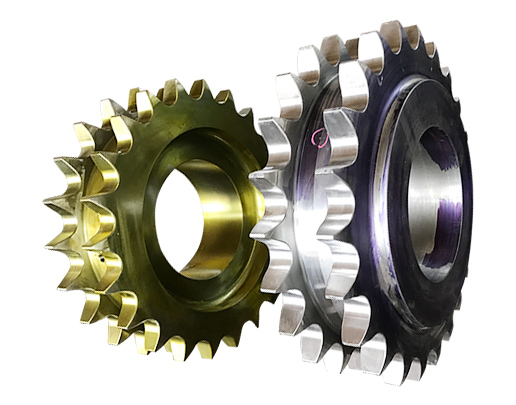
In the procurement process of marine components in Dalian, due to the particularity of the shipbuilding industry, the quality, performance, and compliance of components are directly related to the safety, reliability, and operational efficiency of ships. Therefore, special attention should be paid to the following details during the procurement process to ensure that the purchased components meet the requirements and avoid potential risks and losses.
1. Clarify requirements and technical specifications
Clear purpose and requirements: Before purchasing, it is necessary to clarify the specific purpose, installation location, and functional requirements of the components. For example, whether it is used for engines, navigation systems, or ship structures, different applications have different performance requirements for the components.
Technical specifications: Ensure that the purchased components comply with the technical specifications of the ship design, including dimensions, materials, corrosion resistance, pressure resistance, etc. The technical specifications should be consistent with the design drawings and standards of the vessel.
Compatibility: Ensure that components are compatible with existing equipment or systems, avoiding installation difficulties or performance degradation caused by mismatches.
2. Select qualified suppliers
Supplier Qualification: Select suppliers with relevant qualifications and certifications, such as ISO9001 Quality Management System Certification, ISO14001 Environmental Management System Certification, etc. For marine components, suppliers should have certification from classification societies such as CCS, ABS, DNV, etc.
Industry experience: Priority should be given to suppliers with rich experience in the shipbuilding industry, who have a better understanding of the special requirements of marine components and can provide more professional services.
Supply chain stability: Evaluate the supply chain stability of suppliers to ensure timely delivery and avoid disruptions in the ship construction or maintenance schedule caused by supply chain disruptions.
3. Quality control and certification
Quality certificate: The purchased parts should be accompanied by quality certificates, such as material certificates, inspection certificates, etc., to ensure that they comply with relevant standards and specifications.
Classification Society Certification: Marine components typically require certification from classification societies to ensure compliance with relevant standards of the International Maritime Organization (IMO) and classification societies. When purchasing, it should be confirmed whether the components have the corresponding classification society certification.
Third party inspection: For key components, it is recommended to entrust a third-party inspection agency to conduct quality inspection to ensure that they meet technical specifications and quality requirements.
4. Delivery time and logistics arrangement
Delivery time: Ship construction or maintenance usually have strict schedules, and procurement should clarify the delivery time with suppliers and ensure that they can deliver on time.
Logistics arrangement: Marine components are usually large in volume or heavy in weight. When purchasing, logistics arrangements should be considered, including transportation methods, packaging requirements, transportation insurance, etc., to ensure that the components are not damaged during transportation.
Inventory management: For commonly used components, it is recommended to establish a reasonable inventory management mechanism to avoid the impact of stockouts on the normal operation of ships.
5. Price and cost control
Price comparison: While ensuring quality and delivery time, conduct multi-party comparisons and select suppliers with high cost-effectiveness. But we should not blindly pursue low prices to avoid substandard quality caused by low prices.
Total cost consideration: In addition to the purchase price, the service life, maintenance cost, replacement frequency, etc. of the components should also be considered, and the components with lower total cost should be selected.
Contract terms: Clearly state the price, payment method, delivery time, quality assurance, and other terms in the procurement contract to avoid subsequent disputes.
6. Compliance and Legal Requirements
International Maritime Regulations: Ship components must comply with relevant regulations and standards of the International Maritime Organization (IMO), such as SOLAS (International Convention for the Safety of Life at Sea), MARPOL (International Convention for the Prevention of Pollution from Ships), etc.
Environmental requirements: With the increasing strictness of environmental regulations, attention should be paid to the environmental performance of components during procurement, such as whether they contain harmful substances and whether they meet emission standards.
Intellectual Property: Ensure that the purchased components do not infringe upon the intellectual property rights of others and avoid legal risks caused by intellectual property disputes.
7. After sales service and technical support
After sales guarantee: Choose suppliers who provide comprehensive after-sales services to ensure timely technical support or replacement services in case of component problems.
Technical support: For complex components, suppliers should provide necessary technical support, including installation guidance, operation training, maintenance manuals, etc.
Warranty period: Clearly define the warranty period and scope of the parts in the procurement contract, ensuring that any losses caused by quality issues during the warranty period can be compensated.
8. Risk management
Risk assessment: Conduct a risk assessment before procurement, identify potential risk factors such as the financial status of suppliers, market supply of components, etc., and develop corresponding response measures.
Contract risk: Clearly define the responsibilities and obligations of both parties in the procurement contract to avoid disputes caused by unclear contract terms.
Insurance: For high-value components, it is recommended to purchase transportation insurance and installation insurance to reduce the risk of accidental losses during transportation or installation.
9. Communication and Coordination
Internal communication: The procurement department should maintain close communication with design, engineering, quality inspection and other departments to ensure that the purchased components meet the design and construction requirements.
External communication: Maintain good communication with suppliers, provide timely feedback on issues and needs, and ensure the smooth progress of the procurement process.
10. Continuous improvement
Feedback mechanism: Establish a procurement feedback mechanism, regularly evaluate supplier performance and component usage, promptly identify problems and make improvements.
Technological update: With the continuous development of technology, the performance of marine components is also constantly improving. When purchasing, attention should be paid to the application of new technologies, selecting components with better performance to enhance the competitiveness of ships.
The procurement of marine components is a complex and critical process that involves multiple aspects such as technology, quality, cost, and compliance. Purchasing personnel need to possess professional knowledge and experience, comprehensively consider the details of each link, ensure that the purchased components meet the requirements, and guarantee the safety and operational efficiency of the vessel. Through strict quality control, reasonable cost management, effective risk control, and comprehensive after-sales service, procurement risks can be minimized to the greatest extent possible, and the overall performance and market competitiveness of ships can be enhanced.